edward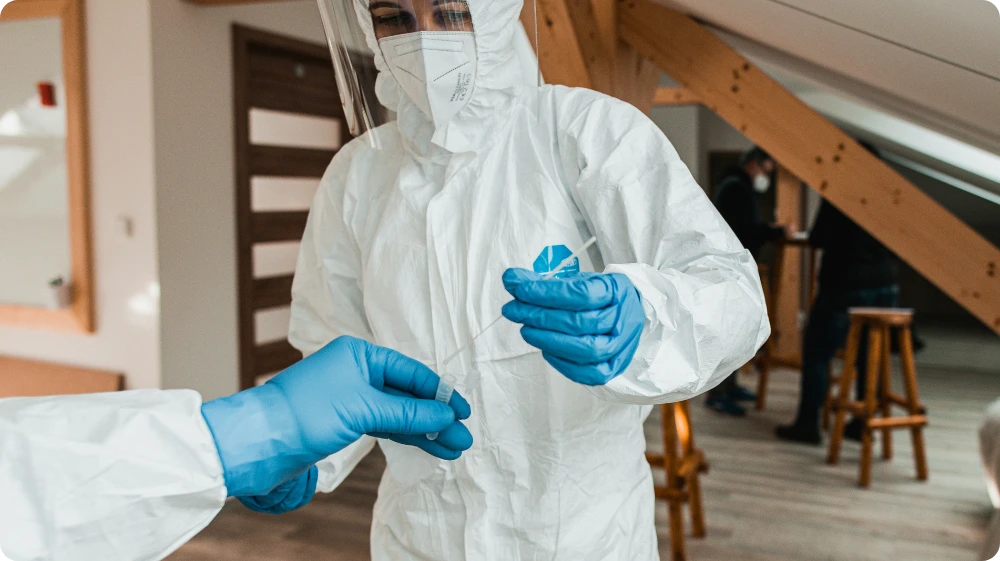
Asbestos, once a highly regarded material for its heat resistance and durability, has been linked to serious health issues such as lung cancer, mesothelioma, and asbestosis. While its use has been severely restricted in modern construction, many older properties built before the 1980s may still harbor asbestos-containing materials (ACMs). For anyone owning or managing an older property, the importance of Asbestos Testing cannot be overstated. It’s an essential step in safeguarding the health of those who occupy or work in these spaces and ensuring the safety of the property itself.
Asbestos Testing involves a thorough process of inspecting a property to identify the presence of asbestos. Given that asbestos fibers are microscopic and not easily visible to the naked eye, this testing typically includes a survey and the collection of samples from materials suspected to contain asbestos. These samples are then analyzed in an accredited laboratory to determine if asbestos is present, what type it is, and its condition. Once the results are received, property owners can make informed decisions on how to manage the risks associated with asbestos.
Older buildings are particularly vulnerable to asbestos-related hazards. Common areas where asbestos can be found include insulation, ceiling tiles, floor tiles, roofing materials, and even cement products. Although asbestos itself is not harmful if it is undisturbed and in good condition, any disturbance—such as renovations, demolition, or natural wear and tear—can release asbestos fibers into the air, which can then be inhaled. This makes Asbestos Testing a critical part of any property assessment, especially before any work is carried out in older buildings.
For property owners, the primary reason to invest in Asbestos Testing is to ensure the health and safety of occupants. The inhalation of asbestos fibers has been directly linked to severe respiratory diseases. In fact, exposure can take years or even decades to manifest symptoms, which is why testing and identifying risks early is crucial. Asbestos-related diseases are often diagnosed long after the exposure has occurred, which is why early detection and management are essential in preventing long-term health consequences.
Asbestos Testing also plays an important role in regulatory compliance. In many countries, laws require property owners to assess for asbestos before undertaking any construction or renovation work, particularly if the building was constructed before the 1980s. If asbestos is discovered, it is essential to ensure that it is properly managed or removed by licensed professionals. Failing to conduct Asbestos Testing and address any issues found can lead to costly fines, legal action, and project delays. Being proactive about testing ensures that property owners can avoid these legal complications.
In addition to health and legal reasons, Asbestos Testing can help protect the financial interests of property owners. When buying or selling an older property, potential buyers or tenants will likely be concerned about the presence of asbestos. A property that is found to contain asbestos can see its value significantly reduced if the risk is not properly managed. However, a comprehensive Asbestos Testing report that shows the materials are in good condition or have been professionally removed can instill confidence in potential buyers and improve the overall value of the property.
Moreover, testing helps in the planning of any future work on the property. Whether it’s a simple renovation, a major construction project, or routine maintenance, knowing where asbestos-containing materials are located allows property owners and contractors to plan work safely. If asbestos is found, the surveyor will provide clear guidelines on how to manage or remove it, ensuring that no unnecessary exposure occurs during the work process.
The process of Asbestos Testing involves hiring a licensed professional to conduct a visual inspection of the property, followed by the collection of samples from suspected materials. These samples are sent to an accredited laboratory where they are analyzed for asbestos content. The results are then compiled into a report that provides detailed information about the type, quantity, and location of any asbestos found. Depending on the findings, the property owner can decide whether to seal the materials, repair them, or remove them entirely. If removal is required, it must be performed by a licensed asbestos abatement contractor.
In conclusion, Asbestos Testing is a crucial part of maintaining the safety and value of older properties. For property owners and managers, it is an essential step in ensuring that asbestos-related risks are identified and properly addressed. Whether you’re preparing to buy, sell, renovate, or simply want to ensure that your property is safe for long-term use, investing in an asbestos test will give you the peace of mind that you’re taking the right steps to protect those who occupy or work in your space. Don’t wait for a potential problem to arise—schedule an Asbestos Testing today to safeguard your property and the people within it.